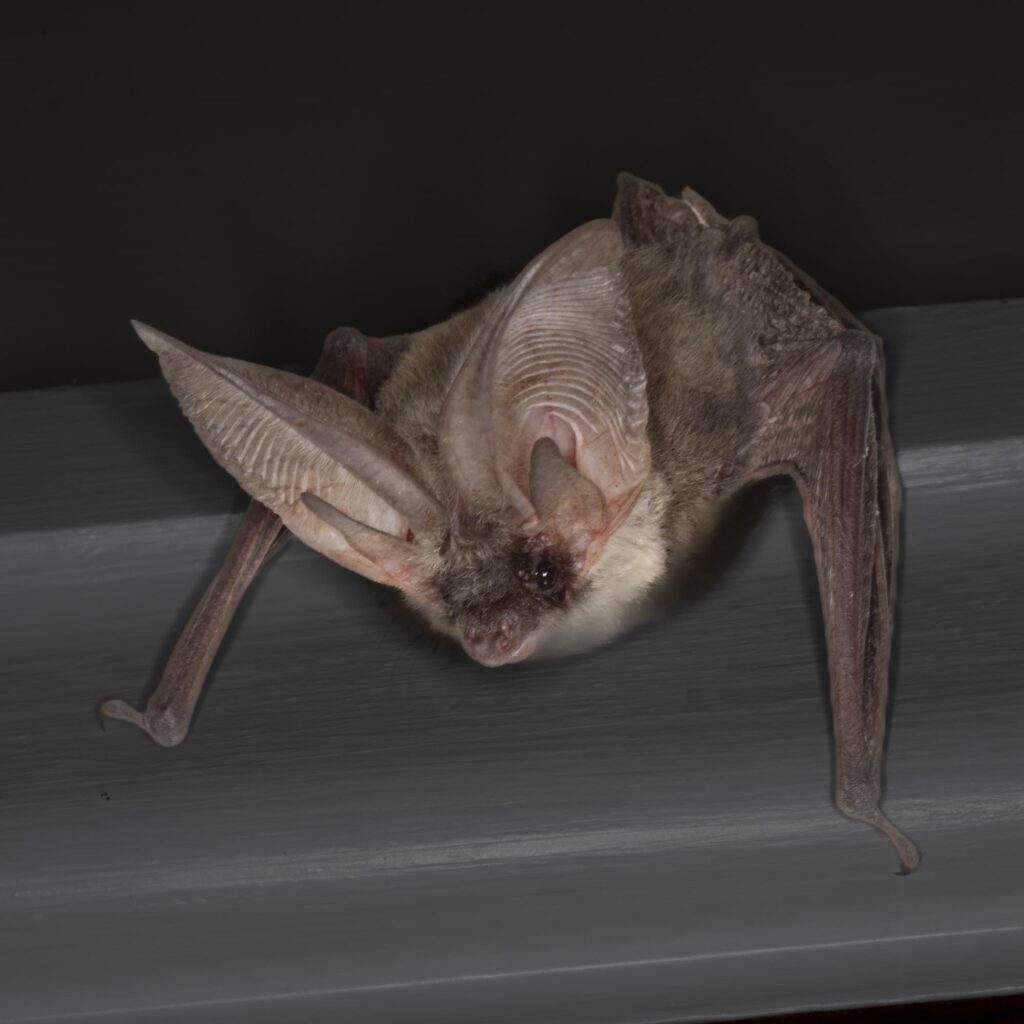
Pup month
July is the month the roosts really come alive — at least acoustically. Pups born at the end of June are growing fast, and by mid-July the earliest will be making their first tentative flights, joining the adults on evening foraging runs.
For grey long-eared bats, July is fledging season in earnest. The young bats are finding their wings and their echolocation, and maternity roosts that were quiet and orderly are now considerably more chaotic. Bat workers doing emergence counts this month will tell you it’s both the most exciting and the most challenging time of year to do a population count.
Jersey’s warmer, longer summers compared to mainland Britain are genuinely beneficial here. Pups have more time to grow and gain condition before the autumn chill arrives, which improves survival rates. The island’s bat populations are lucky in that respect.
If you see a bat flying oddly low over a garden in July, it may well be a youngster getting its bearings. Give it space and time — it’s learning.